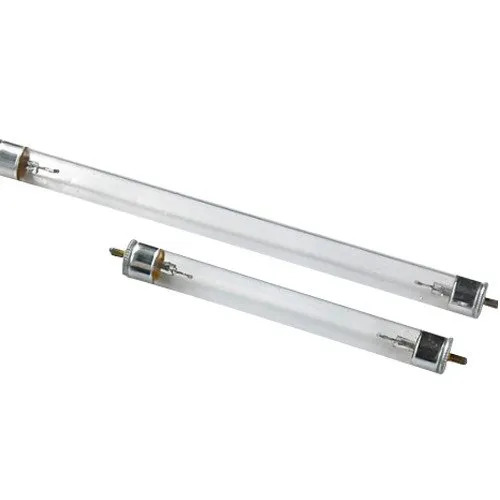
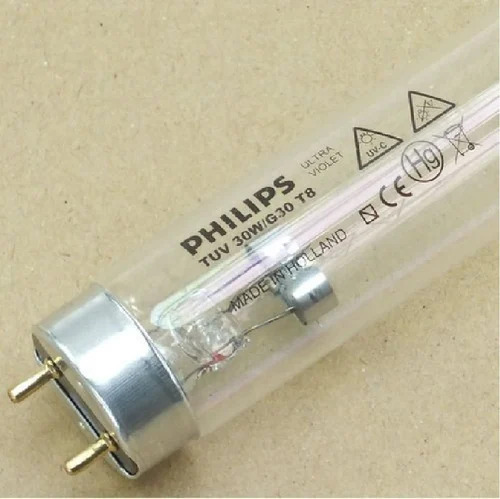
Germicidal UVC tubes are specialized lamps that emit short-wave ultraviolet (UV-C) radiation to disinfect air, water, and surfaces. By producing a specific wavelength of light (predominantly 254 nanometers), they penetrate the genetic material (DNA and RNA) of microorganisms. This instantly neutralizes bacteria, viruses, and mold spores, preventing them from reproducing.
Key Features and Specifications
- How It Works: Similar in construction to standard fluorescent bulbs, these tubes contain low-pressure mercury vapor. When electrified, the vapor emits UV-C energy instead of visible light.
- No Residue: Because it is a physical process, UV-C leaves zero chemical residue, byproducts, taste, or odor, making it ideal for water and food safety.
- Ozone vs. Ozone-Free: Standard lamps are made of pure quartz, transmitting 254 nm light. Some variations use semi-synthetic quartz to emit an additional 185 nm wavelength, which generates ozone (O) for advanced air oxidation and deodorization.
- Safety Concerns: UV-C radiation is highly harmful to human skin and eyes. Direct exposure causes severe sunburns and temporary eye damage (photokeratitis). These lamps are often shielded or used inside sealed HVAC ducts, water purifiers, and enclosed sterilization cabinets.

 Send Inquiry



 Send Inquiry

 Send Inquiry
 English
 Spanish
 French
 German
 Italian
 Chinese (Simplified)
 Japanese
 Korean
 Arabic
 Portuguese