A locomotive headlight is a high-powered forward-facing lighting system mounted on the front and rear of trains. It is designed to illuminate the tracks, track-side indications, and overhead lines at night or in low visibility. It alerts maintenance workers, pedestrians, and wildlife of an approaching train.
Modern locomotive headlights feature several distinct characteristics:
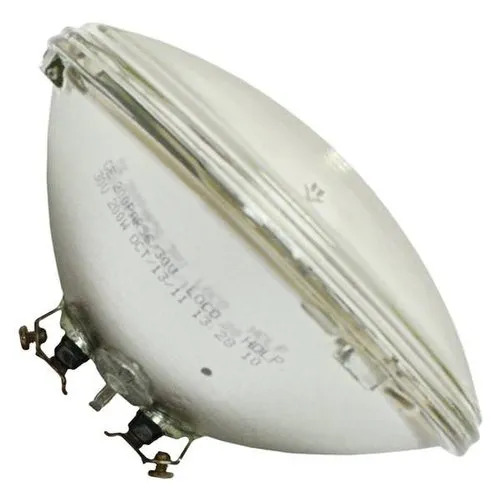
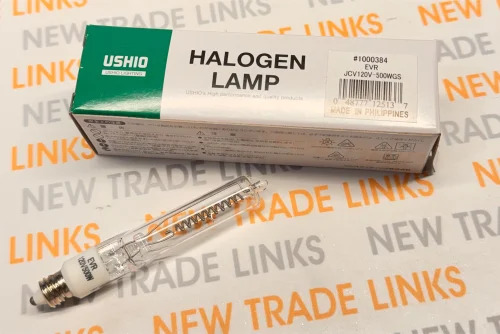
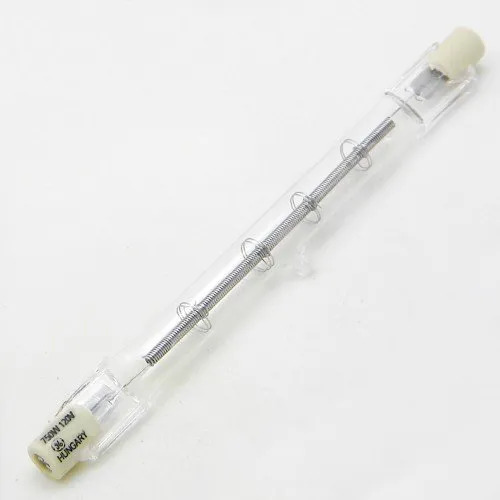
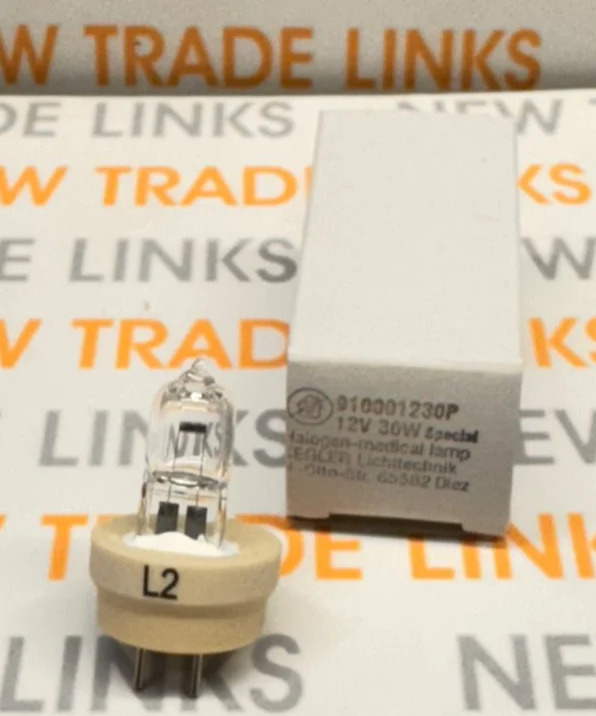
- Technology: Traditional incandescent and halogen bulbs are largely being phased out in favor of robust LED (Light Emitting Diode) arrays, which require less power, run cooler, and last significantly longer.
- Dual-Beam Configurations: Most assemblies feature a twin-beam setup operating in parallel. If one bulb or LED driver fails, the second remains functional to ensure fail-safe safety on the tracks.
- Durability & Housing: Built to withstand harsh environments (vibration, extreme weather, and shock). The housing is typically an aluminum die-cast or fabricated steel casing sealed with a heat-resistant, toughened glass cover.
- Power Source: Powered by the locomotives battery (commonly 72V or 110V DC) stepped down via DC-DC converters to the 24V to 30V required by the lamps.
- Brightness & Beam Pattern: Modern assemblies provide upwards of 10,000+ lumens to illuminate up to 800 meters to 1000 meters ahead of the train, often incorporating both a focused "bright" (high beam) and diffused "dim" (low beam) setting.

 Send Inquiry



 Send Inquiry

 Send Inquiry
 English
 Spanish
 French
 German
 Italian
 Chinese (Simplified)
 Japanese
 Korean
 Arabic
 Portuguese